Watering may seem simple, but giving your garden the right amount of water — at the right time — makes a huge difference to plant health. Whether you’re caring for a fresh landscape installation or maintaining an established garden, choosing the right watering method can save time, reduce water waste, and keep your plants thriving year-round.
Here’s a quick guide to the most effective ways to water your garden, including when to use sprinklers, hoses and basic irrigation systems.
1. Sprinkler Systems for Lawns & Open Areas
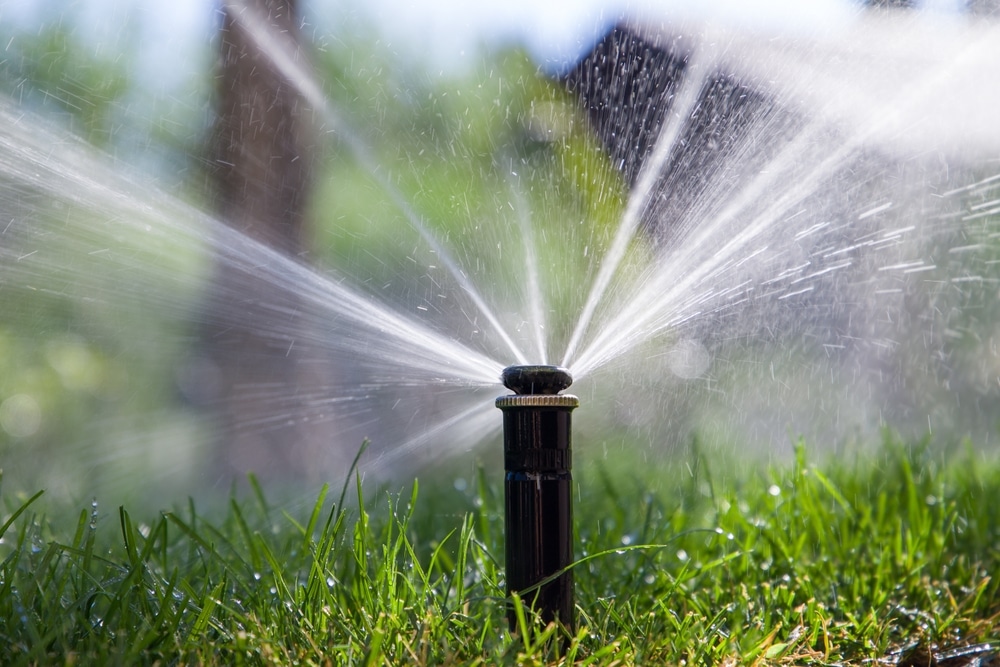
Sprinklers are perfect for large lawns and open garden spaces that need even, consistent watering. Modern sprinklers distribute water in controlled patterns, preventing dry patches and over-watering in one spot.
Benefits:
-
Covers large areas quickly
-
Easy to use
-
Great for maintaining healthy, green lawns
For best results, water early morning before the heat of the day.
2. Hose Watering for Flexibility
Using a hose with a spray attachment gives you full control over where and how much water your plants receive. It’s great for new plantings, pots, and areas that don’t receive even sprinkler coverage.
Why it works well:
-
Directs water exactly where it’s needed
-
Perfect for delicate plants and seedlings
-
Ideal for spot-watering dry areas
Choose a multi-function nozzle to switch between mist, shower, and jet modes.
3. Drip Irrigation for Water Efficiency
Drip systems deliver water straight to the plant roots — slowly and steadily. This reduces evaporation and makes sure every drop goes where it’s needed.
Best for:
-
Garden beds
-
Native plants
-
Mulched areas
-
Water-restricted homes
Drip irrigation is one of the most efficient ways to keep your garden healthy with minimal effort.
4. Watering Times Matter
The timing of your watering affects how well your plants absorb moisture.
✅ Best time to water: early morning
✅ Second best: late afternoon
❌ Worst time: midday (evaporation is highest)
Watering at the right time helps your plants stay hydrated and prevents fungal issues.
5. Watch for Signs of Under-Watering
Keep an eye on your garden. These signs mean plants need more water:
-
Dry, curling leaves
-
Soil pulling away from edges
-
Patchy or browning lawn
-
Wilted appearance even in cooler weather
A consistent watering routine keeps your landscape looking lush.