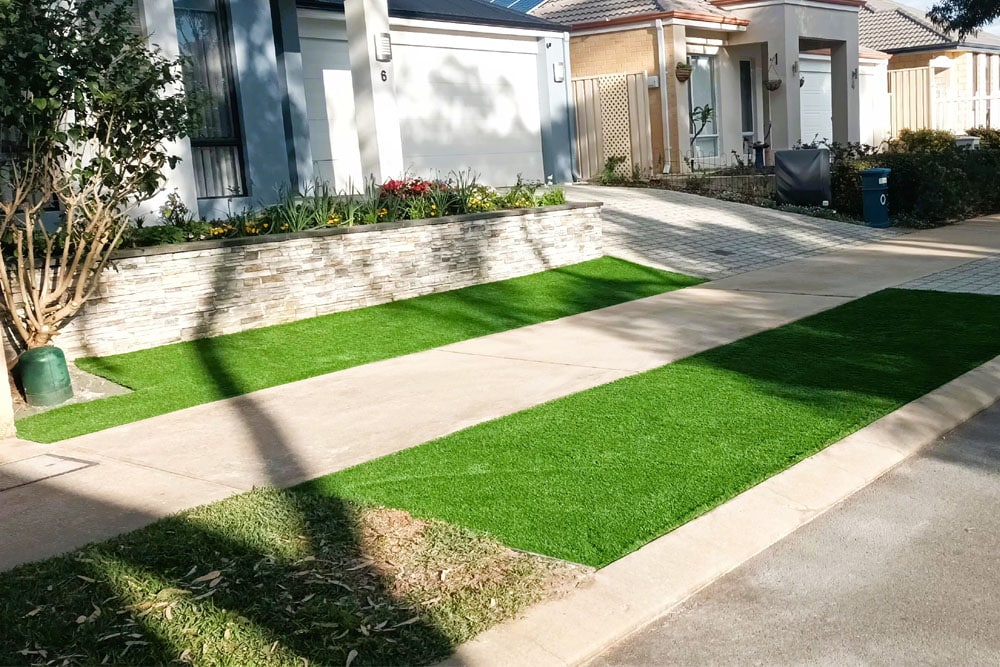
A well-designed garden pathway doesn’t just guide people from one space to another — it becomes a standout feature that shapes the look and feel of your entire landscape. Whether you want something modern, rustic, or natural, the right pathway can instantly lift your garden’s appeal and make it more functional year-round.
Here are some of the most popular pathway options for Australian homes and tips for choosing the perfect one.
1. Paver Pathways for a Clean, Modern Look
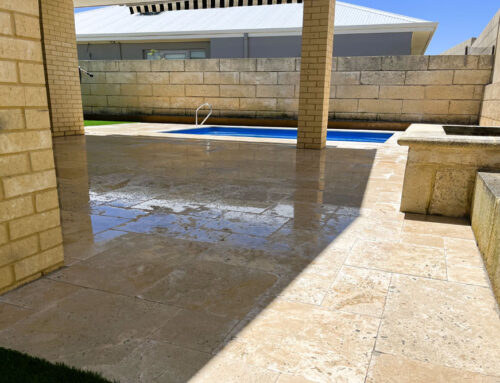
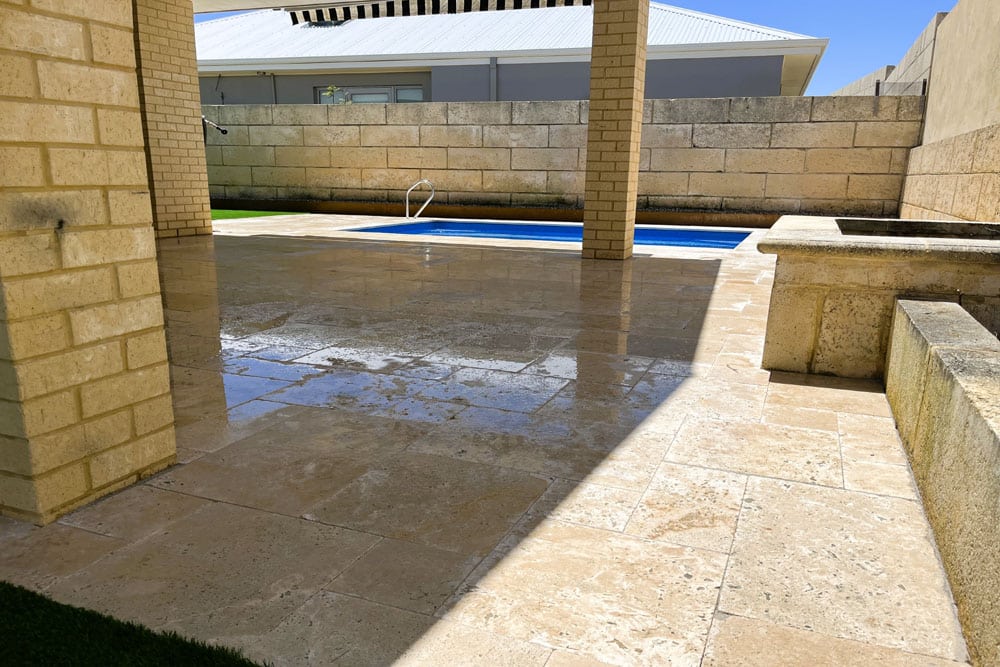
Pavers are one of the most versatile pathway materials. Available in concrete, stone, and brick, they offer a sleek, long-lasting finish that suits almost any home.
Why homeowners love them:
-
Low maintenance
-
Durable and weather-resistant
-
Works well for front entries or backyard entertaining areas
Pavers can be laid in patterns like herringbone, stack bond, or stepping layouts for a unique look.
2. Stepping Stones for a Natural Garden Feel
Stepping stones are ideal for informal pathways that weave through lawns or garden beds. They add charm and blend beautifully into natural landscapes.
Best features:
-
Flexible layout
-
Great for smaller or curved spaces
-
Can be paired with gravel, pebbles, or groundcovers
Perfect for cottage gardens, native gardens, or pathways leading to side yards.
3. Gravel Paths for a Rustic, Affordable Option
Gravel is budget-friendly and easy to install, making it a go-to choice for relaxed, earthy garden designs.
Benefits:
-
Excellent drainage
-
Simple to refresh
-
Wide variety of colours and textures
Use edging to keep the gravel tidy and prevent it from spreading into your lawn or beds.
4. Concrete Paths for Strength & Simplicity
Concrete pathways are ideal for high-traffic areas. They can be plain, coloured, exposed aggregate, or textured.
Why choose concrete:
-
Very durable
-
Clean, modern appearance
-
Low maintenance
They’re also great for accessibility and safer walking during wet weather.
Design Tips for the Perfect Pathway
-
Match your pathway to your home style – clean lines for modern homes, natural textures for timeless gardens.
-
Use lighting – add solar or low-voltage lights along the edges for safety and ambience.
-
Consider width – front pathways should be wider (1–1.2m), while garden paths can be narrower.
-
Add edging – stone, timber, or metal edging keeps the pathway looking sharp and well-defined.